
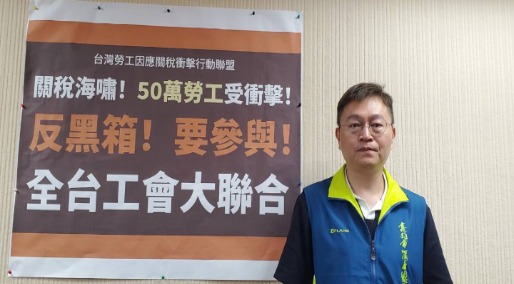
【台灣勞工因應關稅衝擊行動聯盟 新聞稿】2025.07.04
關稅海嘯寬限倒數,談判黑箱依舊、拒與勞工溝通
台灣勞工要工作權,絕不接受「喪葬補助」
工作權若遭犧牲,動員包圍行政院 !
距離美國政府與各國完成關稅協商大限的寬限期7月9日僅剩不到一週時間。但行政院日前除透過新聞稿,籠統宣稱「談判至今取得建設性進展」,行政院秘書長龔明鑫則是粉飾太平大喊:子彈在台灣這邊。只要做好該做的事情,不管在什麼變局下,台灣仍舊可以創造很好的機會。然而,同時卻絕口不提各研究機構、專家學者評估最後對美出口關稅仍可能落在至少15~20%,以及是否將以大幅降低美國對台進口關稅等「讓步」對台灣勞工工作權所造成的衝擊。
台灣政府目前立場與態度,讓可能受關稅談判結果衝擊勞工感到極為憤怒與不滿,更高度懷疑政府私下可能早已做出出賣勞工的談判策略。
「台灣勞工因應關稅衝擊行動聯盟」(勞關盟)自6月17日集結成立,要求反對黑箱、參與協商至今亦已超過兩週。遺憾的是,台灣政府至今依舊堅持「黑箱協商」,這段期間更拒絕與勞工團體進行任何實質溝通與具體討論。
勞關盟強調:目前全台各地已有超過百家工會支持、加入「勞關盟」,一旦勞工發現台灣政府打算放任讓勞工的工作權在關稅協商過程中,淪為交換籌碼與犧牲品,「勞關盟」近日絕對會發動大規模動員全台灣各地的勞工包圍行政院,並不排除集體行進至行政院內,要求與院長面對面對話、給勞工一個說法!
勞關盟自成立以來,就對於台美關稅政府協商談判過程完全處於黑箱,一切資訊幾乎一無所知狀態提出嚴厲批判,疾呼『反黑箱協商、工會要參與!』。沒想到這段期間,連可能受到衝擊影響的中小型產業業者,也紛紛主動向勞關盟坦言,多數連業者們對政府談判的各項資訊同樣一無所知,再次印證台灣政府在關稅協商過程中黑箱運作情形的嚴重。
勞關盟重申:幾十萬受到關稅海嘯衝擊的勞工與其家庭,真正最關切、需要的是確保勞工的「工作權」,絕對不是如政府過去幾個月只透過勞動部不斷重複所謂「強化勞工職能培訓」、「協助失業勞工重返就業市場」,把重點放在勞工工作權死去後的「喪葬補助」。工作權對勞工而言,是勞工與其家庭得以生活下去,最關鍵、最不容妥協的底線,勞關盟絕對不接受政府在黑箱協商談判中,自身的工作權就這樣不明不白被賣掉!
最後,勞關盟嚴正敬告政府:
1. 我們絕不接受政府在完全未與勞工進行任何溝通與討論下,作出嚴重損害本國產業勞工的談判結果。
2. 我們堅決反對以勞工工作權喪失為前提所擬定的各項「喪葬補助」方案。
3. 我們堅定捍衛的,是政府必須做出讓台灣勞工都能在『原產業繼續工作』的實質承諾與配套措施,而不是搞出呼嚨協助轉職的欺騙方案。
Translation:
Tariff Negotiation Period Nears End; Labor Alliance Demands Transparency
Taiwan Workers Demand Jobs, Reject Symbolic Compensation
Union Warns of Action if Labor Rights Undermined
With the US tariff deadline fast approaching, Taiwan government continues to project “constructive progress” while avoid addressing potential impact to domestic labor. Workers remain excluded from negotiations, even as independent analyses warn that final U.S. tariff rates could reach 15–20%, threatening thousands of jobs.
The Taiwan Labor Action Coalition in Response to Tariff Impact, formed June 17 and backed by over 100 unions, is calling out the government’s secrecy and inaction. The group warns that unless job security is clearly safeguarded, workers will mobilize nationwide and surround the Executive Yuan, demanding direct dialogue with the Premier.
Small and medium enterprises have also voiced frustration, revealing they too are kept in the dark. This widespread information gap, the alliance argues, highlights the government’s troubling stand on closed-door negotiations.
“Workers want jobs—not post-layoff subsidies,” the alliance declared. “Vocational training and re-employment schemes miss the point. What we need is a government commitment to protect employment in current industries, not vague promises of career transitions.”
The Alliance issues three demands:
1. No deals without direct consultation with labor representatives.
2. Full rejection of any compensation schemes based on job losses.
3. Concrete guarantees that workers can stay in their existing industries.
Time is running out. Taiwan’s workers will not be treated as expendable.
